Certified Ethical Hacker – Why Certification Matters


CEH Conference at Incube2 Puerto Rico: Why Certification Matters
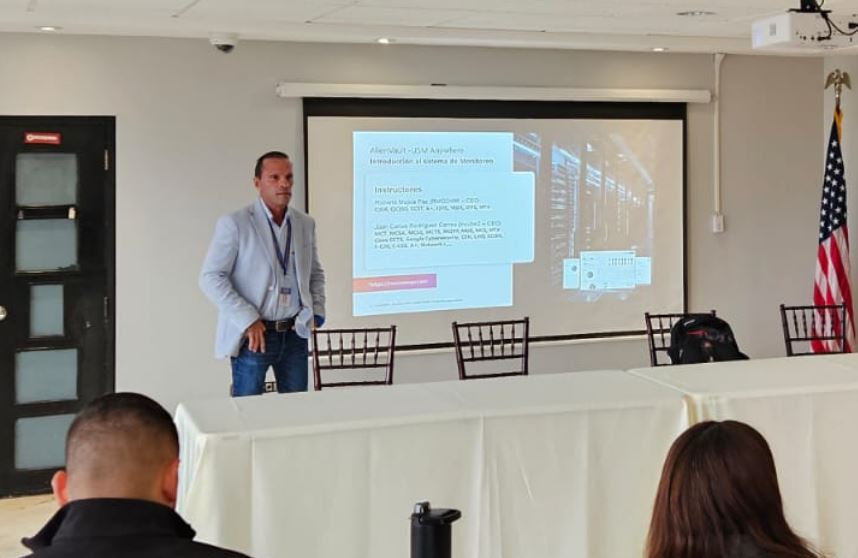
Incube2 Puerto Rico hosted a conference focused on the Certified Ethical Hacker (CEH) program, bringing together students and participants interested in building real-world cybersecurity skills. The event highlighted how ethical hacking helps organizations identify weaknesses before attackers do, and why earning a recognized certification can accelerate career opportunities in IT and security.
The conference was designed to connect technical learning with professional growth. Instead of treating cybersecurity as only a set of tools, the session emphasized the role of structured training, discipline, and measurable validation—especially for those seeking entry or advancement in the cybersecurity workforce.
What Participants Learned About CEH
During the conference, attendees explored the purpose of ethical hacking in modern environments. They learned that ethical hacking is not about “breaking into systems,” but about testing security controls in a legal, controlled way to discover vulnerabilities, confirm risk, and recommend improvements.
Participants also discussed the main areas that a CEH-aligned learning path typically covers, such as reconnaissance concepts, common attack vectors used in the real world, and the importance of documenting findings in a professional format. The event reinforced that strong security work is not only technical—it also requires communication, reporting, and accountability.
Why Incube2 Emphasized the Importance of Certification
A central message of the conference was the importance of certifying knowledge. Many people study cybersecurity informally, but employers often need proof that a candidate can follow a structured body of knowledge and meet a standard. Certification provides that signal.
For students, certification helps organize learning into a roadmap. It reduces confusion, focuses study time, and creates a clear target. It also helps participants measure progress and build confidence as they move from basic concepts toward practical security skills.
For professionals, the conference explained how certifications can strengthen credibility when applying for roles, negotiating salary, or competing for contracts and consulting opportunities. In many organizations, certifications also support internal promotion paths and help meet workforce requirements for security teams.
Professional Mindset: Skills Plus Ethics
The event also stressed that ethical hacking is based on responsibility. Participants discussed the importance of authorization, legal scope, confidentiality, and professional behavior. This focus matters because cybersecurity careers are built on trust. Knowing tools is not enough—organizations look for professionals who demonstrate discipline and ethical judgment.
Career Value for Students and Entry-Level Professionals
The conference positioned CEH as a valuable step for students who want to enter cybersecurity and for IT professionals who want to move into security roles. Participants learned how CEH can support career paths such as:
-
Junior Security Analyst
-
SOC Analyst (Tier 1)
-
IT Support with Security Responsibilities
-
Vulnerability Assessment Assistant
-
Penetration Testing Trainee (with further training and experience)
The conference also encouraged students to treat certification as part of a long-term path. CEH can be a milestone that leads to deeper specialization, stronger practical skills, and advanced certifications based on the student’s goals.
A Clear Takeaway
The key takeaway from the CEH conference at Incube2 Puerto Rico was simple: cybersecurity is a profession, and certification is one of the fastest ways to prove readiness. Students and participants left with a clearer understanding of how ethical hacking supports real organizations, and how getting certified can open doors—whether for employment, career advancement, or professional credibility.